
A Living Legacy of Faith, Music, and Filipino Ingenuity

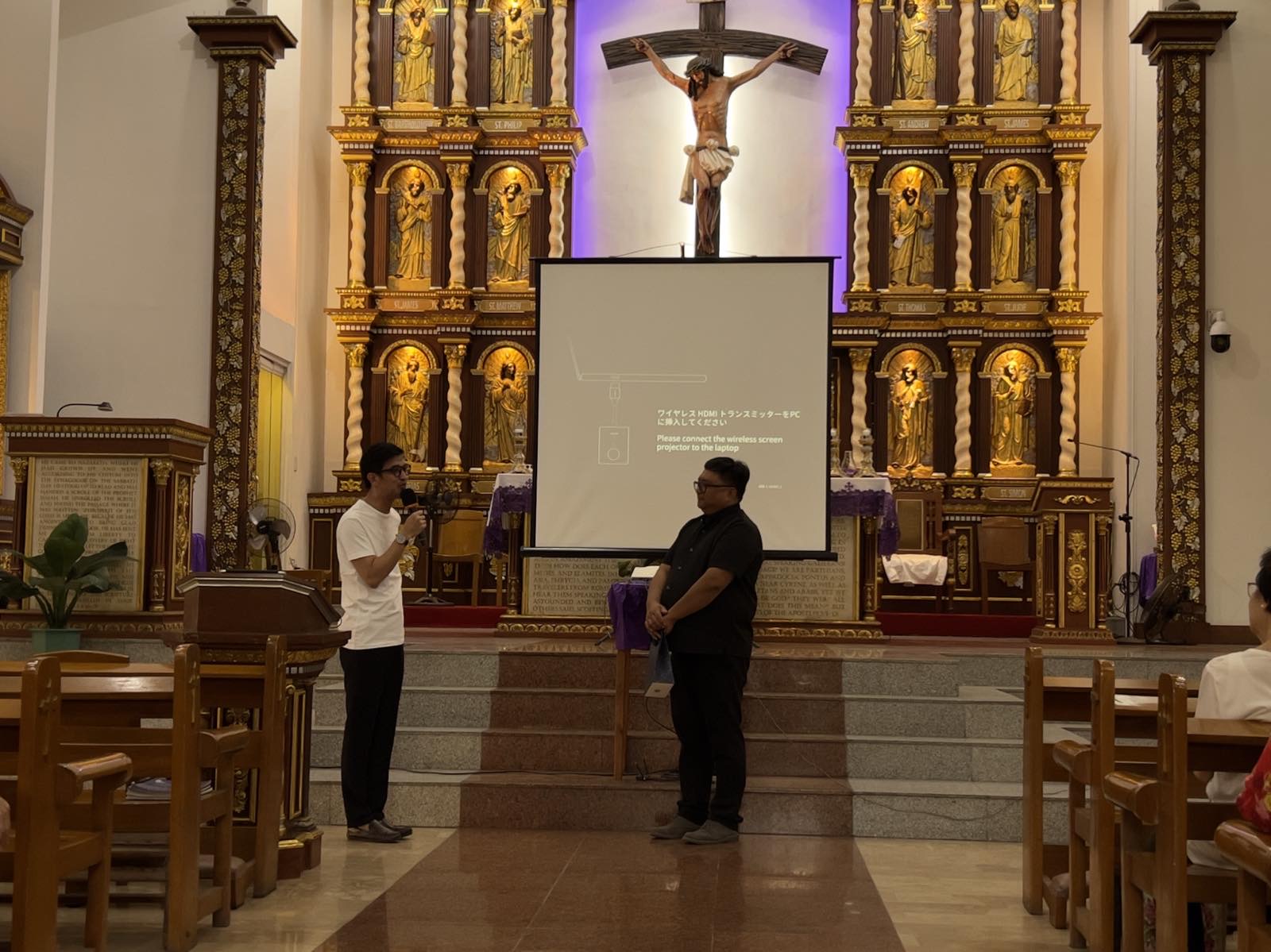
Piñas. The museum sits inside Saint Joseph Church.

For a balikbayan like me, there is always something about coming home to the Philippines, especially after having been away for decades in the United States. There is quiet beauty in realizing that home was never lost—it was simply waiting to be rediscovered, richer and more meaningful than I remembered. Part of what made my recent trip to the Philippines a memorable and meaningful homecoming last February was my visit to see the Bamboo Organ of Las Piñas. It wasn’t just another cultural stop, but a moment of reconnection with the land where I come from. Listening to its unique sound gave me a sense of renewed appreciation for the beauty, ingenuity, and creativity of the Filipino faithful who built it and continue to care for it. The organ seemed to echo more than music; it carried stories of devotion, patience, resilience, and a collective vibe that you only feel in a Filipino town.
Housed in St. Joseph Parish Church in Las Pinas, the bamboo organ is not just an artifact of the past but a living testament to creativity, resilience, and cultural pride. Its warm, unmistakable sound has echoed through centuries of history, binding together faith, community, and music. Out of its 1,031 pipes, most are crafted from bamboo, a material deeply rooted in everyday Filipino life. In the early 1800s, bamboo was an unusual and daring choice for an organ—yet it gave the organ its distinct, mellifluous, and natural sound that is just not replicable. Behind this masterpiece was Padre Diego Cera, a Spanish Augustinian priest who was Las Piñas’ first parish priest. Starting in the late 1810s, he patiently selected, cured, and shaped bamboo pipes, adapting European organ design to the Philippine environment. His work was both practical, innovative, and visionary—a fusion of Western tradition and indigenous material that resulted in something entirely unique.

The organ’s journey throughout the centuries has not been easy. In the 1970s, after having survived natural calamities such as earthquakes and typhoons, and man-made disasters such as the different wars through the colonial periods, and years of deterioration, it was sent to Bonn, Germany for a major restoration. When the Bamboo Organ returned to Las Piñas in 1975, it sparked renewed pride and international attention, reminding people that this was not just an old instrument but a national treasure. In 2003, the Bamboo Organ was officially declared a National Cultural Treasure, honoring its unique craftsmanship and lasting cultural importance.
That renewed spirit lives on every February through the International Bamboo Organ Festival, an event that has earned international recognition, placing Las Piñas firmly on the global music map. Now in its 51st year, the festival has become one of the longest-running international music festivals in the country. Concerts, festival masses, and educational events bring together Filipino and foreign musicians, students, and audiences, all drawn by the unique sound of the bamboo pipes. During the anniversary celebrations, the town once again showed how deeply the organ is woven into community life—not as a museum piece, but as a living voice of history, faith, and culture. This yearly cultural and musical event is made possible by the efforts of the people of Las Piñas.

I had the chance to meet some of the Bamboo Organ Foundation, Inc. (BOFI) volunteers. Beyond safeguarding the instrument itself and running the International Festival, the Foundation is committed to the educational, spiritual, and social enrichment of the Las Piñas community.
The Bamboo Organ reminds us that heritage survives only when it is cared for, remembered, shared, and celebrated. Preserving it means more than maintaining an old instrument—it means continuing traditions that connect past and present, faith and music, and people and the land. The bamboo organ’s living, breathing sound reminds us of what our native land has given us and of the creativity, faith, and community our people offer in return, generation after generation.
BJ Gonzalvo is a psychology researcher, consultant, and writer about faith and culture. He collects and archives histories, kuwentos, images, narratives, and reflections on what faith means to Filipinos in America and in the diaspora today. He runs a small press: San Lorenzo Press.